
Vegetarian Sushi: India finally becoming 'Asian'
Denied the label "Asian" in America, India is claiming it at home — in its restaurants, its bookstores, and its demographics. A dispatch from a week that began in Bengaluru and ended in Tokyo.

In Asia to Asian
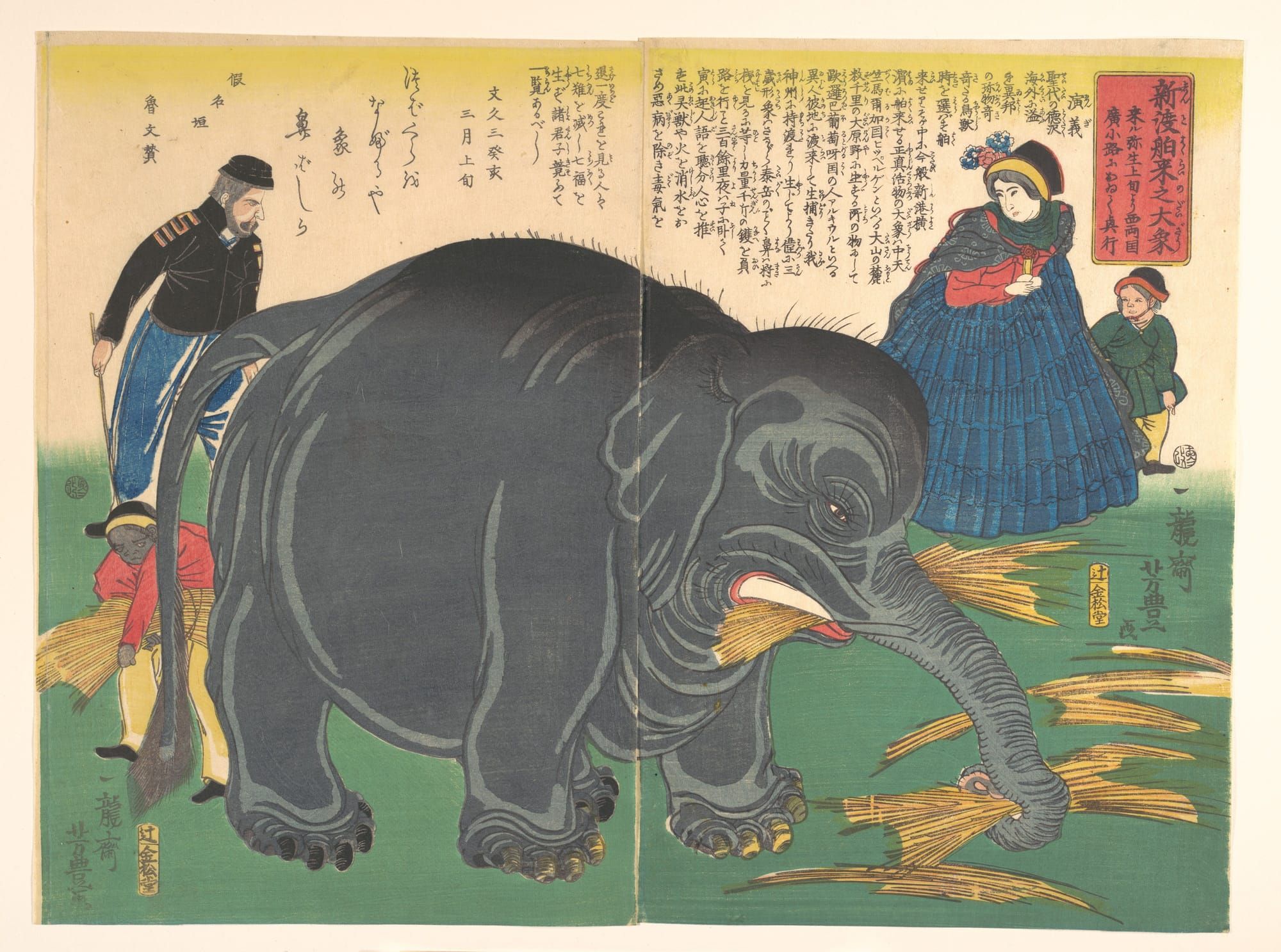
One of the swiftest corrections in my mental geography happened when I moved to the US for grad school. I was informed that India was merely in Asia, but Indians were not considered 'Asian'. I was not invited into the #InspirAsians group photo. There was little implicit cliquishness between the South Asians and the East/South East Asians. Even now, as Western pop-culture has found its 'wasian' moment, many Americans of Indian descent wonder if they even have permission to enter those spaces.

We’re spending this summer in Japan, just like the last one. We haven’t had any kokushobi days yet, but I’m sure they’re around the corner. We began the first week of July in Bengaluru and ended it in Tokyo. It was the same week Japanese Prime Minister Sanae Takaichi was in New Delhi. Over the last decade, I’ve watched Asia being reshaped into the Indo-Pacific. Elbowed by the current US administration, the reshaping is now happening on multiple levels - governments, trade, business. But food and culture are the most profoundly surprising ways they're finding each other.
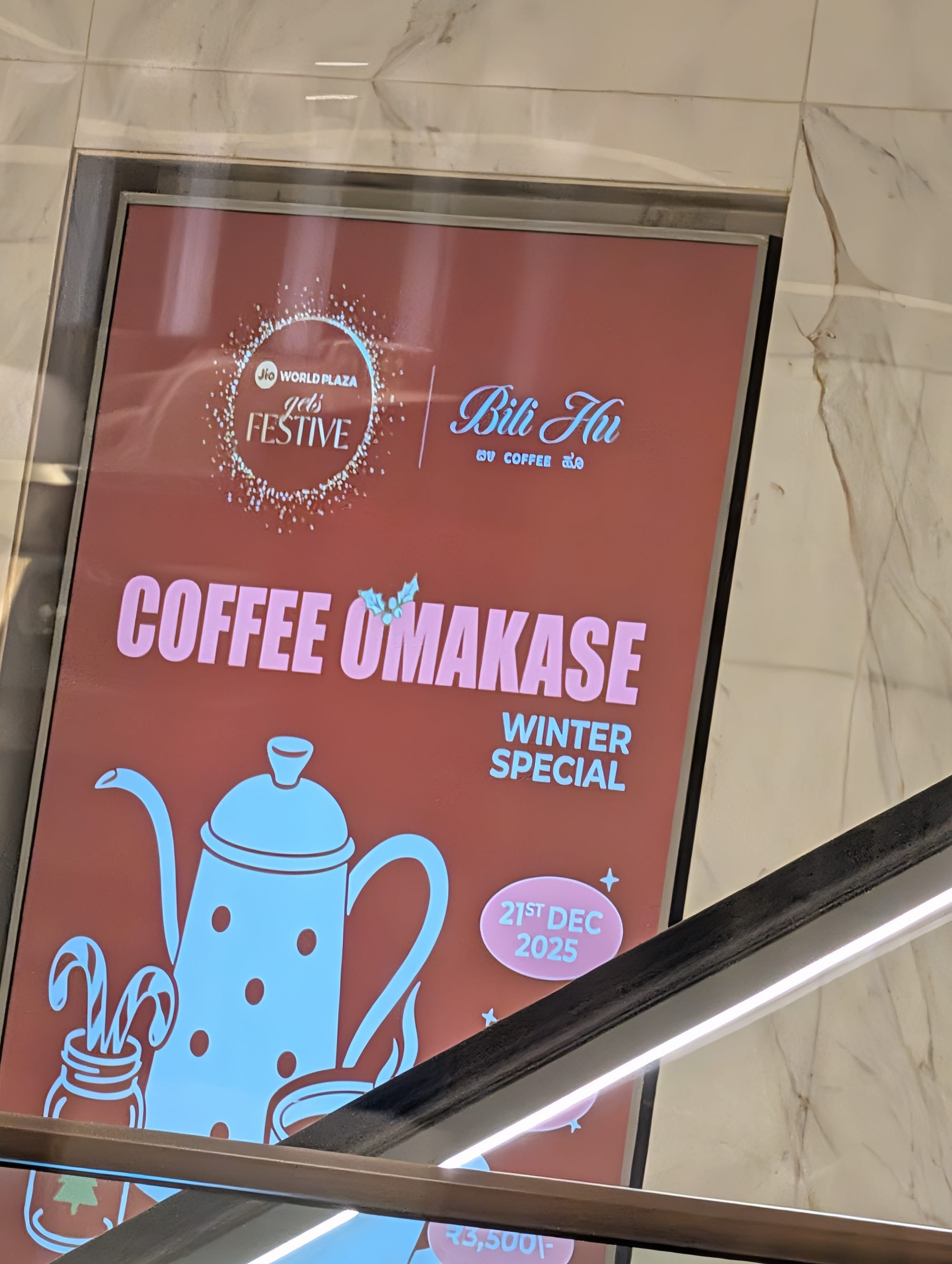
Almost every single person I met in Bengaluru suggested we go to an ‘Asian’ restaurant. These restaurants all had a pattern - they would all lead with a single Asian cuisine - Japanese, Korean, Vietnamese - but then the second you flipped open the menu, you’d see it sprawl all over Asia. They all had an angle and an aesthetic that borrowed from one culture, but they were very much pan-Asian. The same patterns held when I was in Mumbai and Chennai last year.
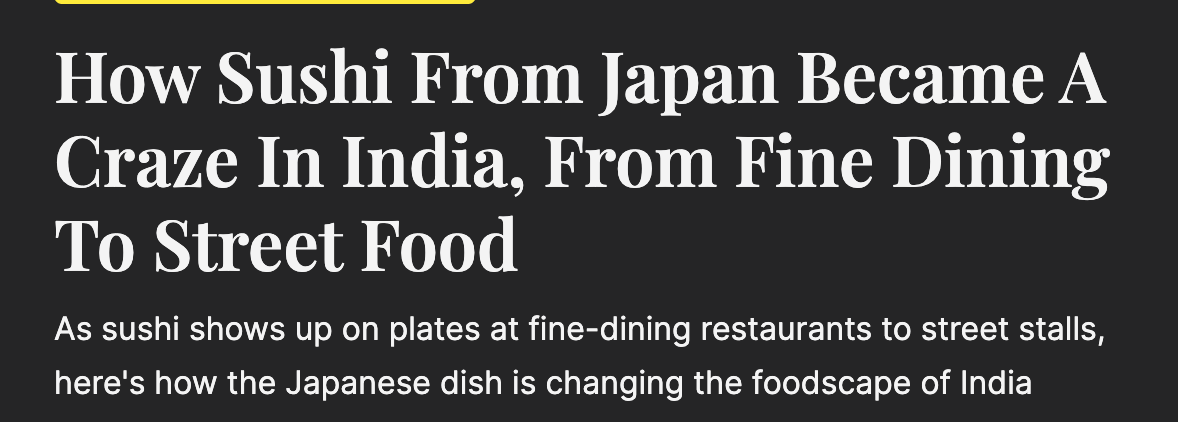
The trendiest places to eat in urban India...are Asian. Everything is fusion, everything is Indianized. There are coriander seeds in the dumplings and mutton shows up in the pho - all very much Indian, but also very Asian. Any half-decent bar catering to the urban palate is practically swimming in yuzu.

As Indians earn more, buy more, and dine more, my assumption was that they would lean very heavily towards the West, which they did in the last decade. But now the lean is decidedly eastward. For a country that hasn’t fully explored its own culinary diversity, urban India is fully on board with pho, dim sum, and yes, vegetarian sushi.
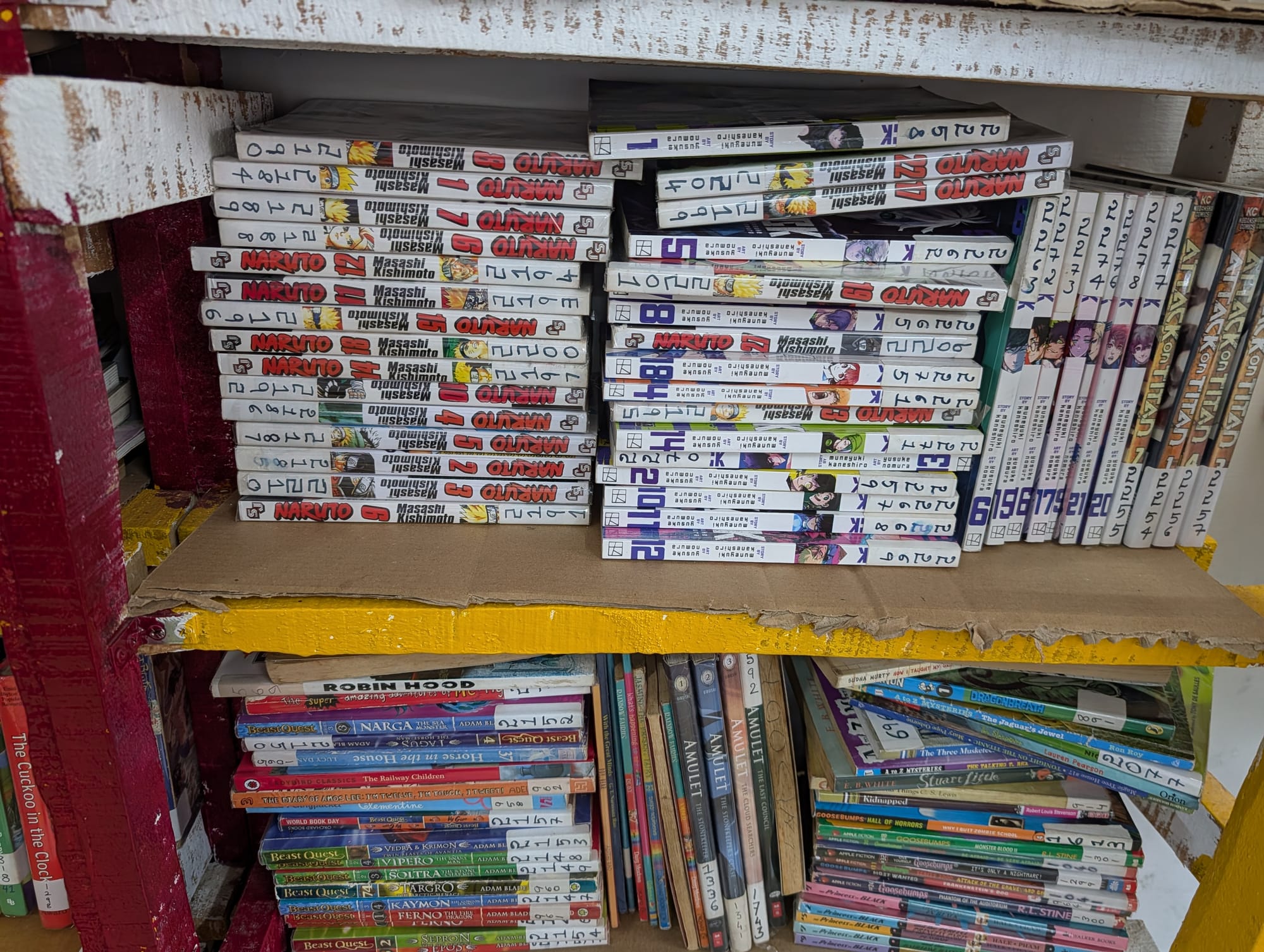
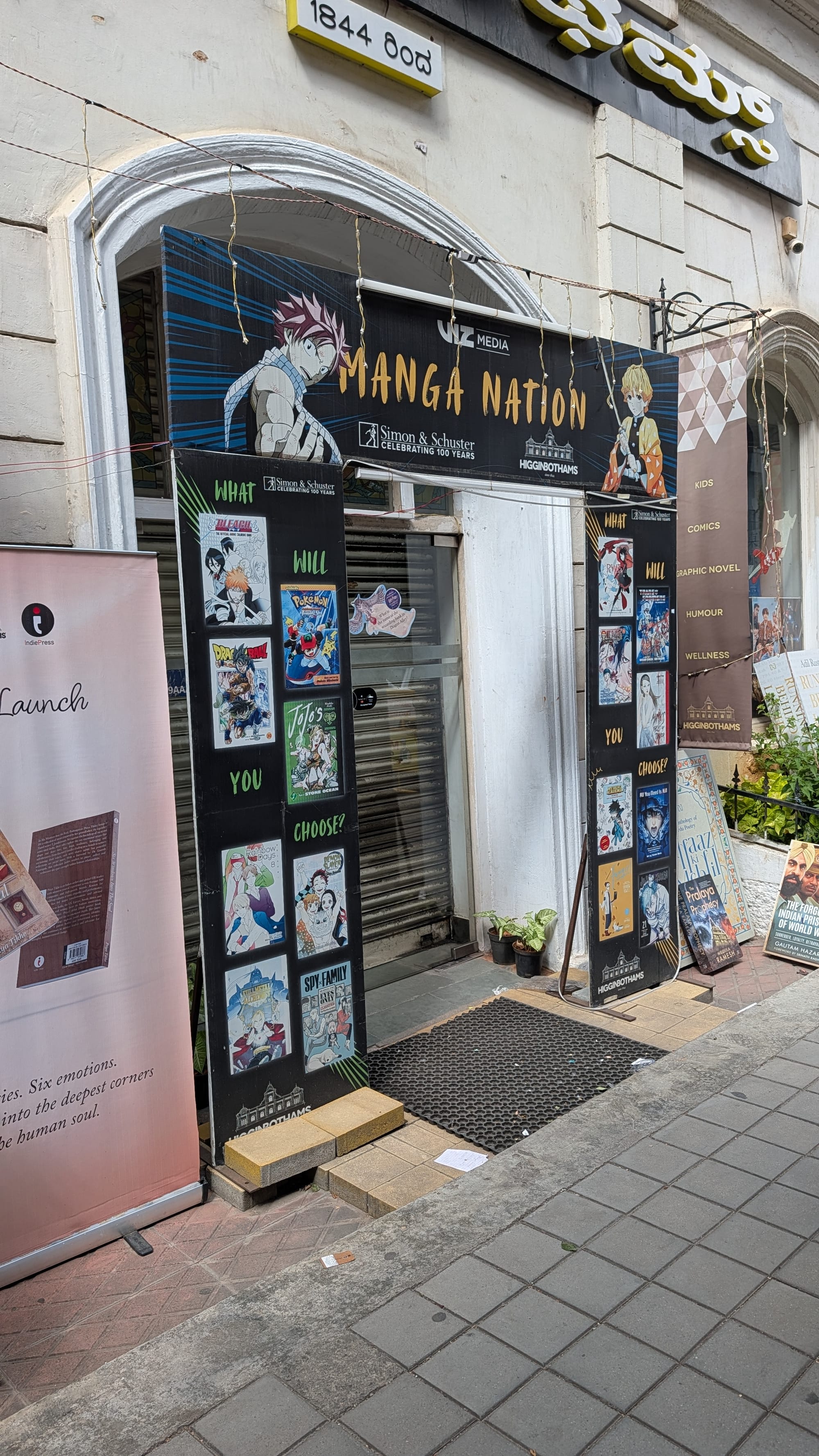
I walk down Church Street (the hip central street that anchors the city's culture and party scene) and spot not one, not two, but six young people wearing Jujutsu Kaisen T-Shirts. On Cable TV, Doraemon plays endlessly, available in Hindi, Tamil, and Telugu. Higginbothams(the oldest bookstore in India ) has changed its facade to declare India as ‘Manga Nation’.It’s one of the reasons I was so thrilled that my friends at Kodansha are now opening up in a much bigger way in India. Their titles are already popular, I see 'Blue Lock' floating around in almost every small local lending library.
India ranks third globally in anime viewership with 41% penetration. Crunchyroll, the global anime juggernaut, is getting into cricket as a way of reaching this market. They were the team sponsor for the Proteas (South Africa) Men's tour of India. They recently signed Shubman Gill (India's Test captain) as a brand ambassador.


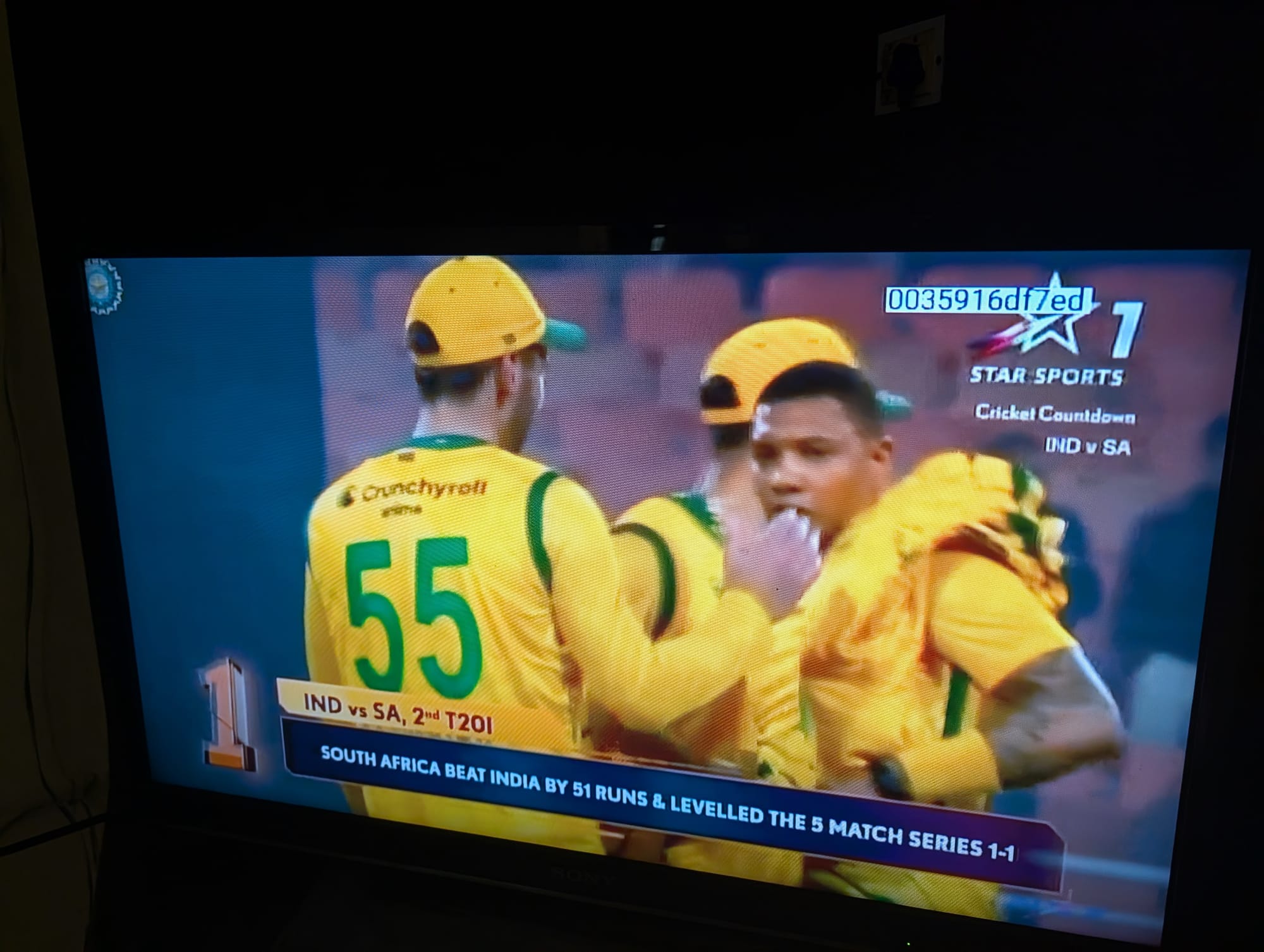
Crunchyroll + Cricket
In the '90s Japanese companies, especially in auto, invested in a people who were poking their heads out of poverty. It was a bet on scale. It was a very early bet on demographics. And it’s a bet that paid off. The first car or motorbike of millions of Indians had a bit of Japan in them. Decades later, food and culture are the exports out of Japan, but the investment is still finding footing.
While most of my observations here are about Japan, aunties are hooked on K-dramas on Netflix and K-micro-dramas on YouTube (remember, India doesn't have TikTok). K-fashion is influencing how a lot of how young people dress. And I don't need to say anything about K-pop .
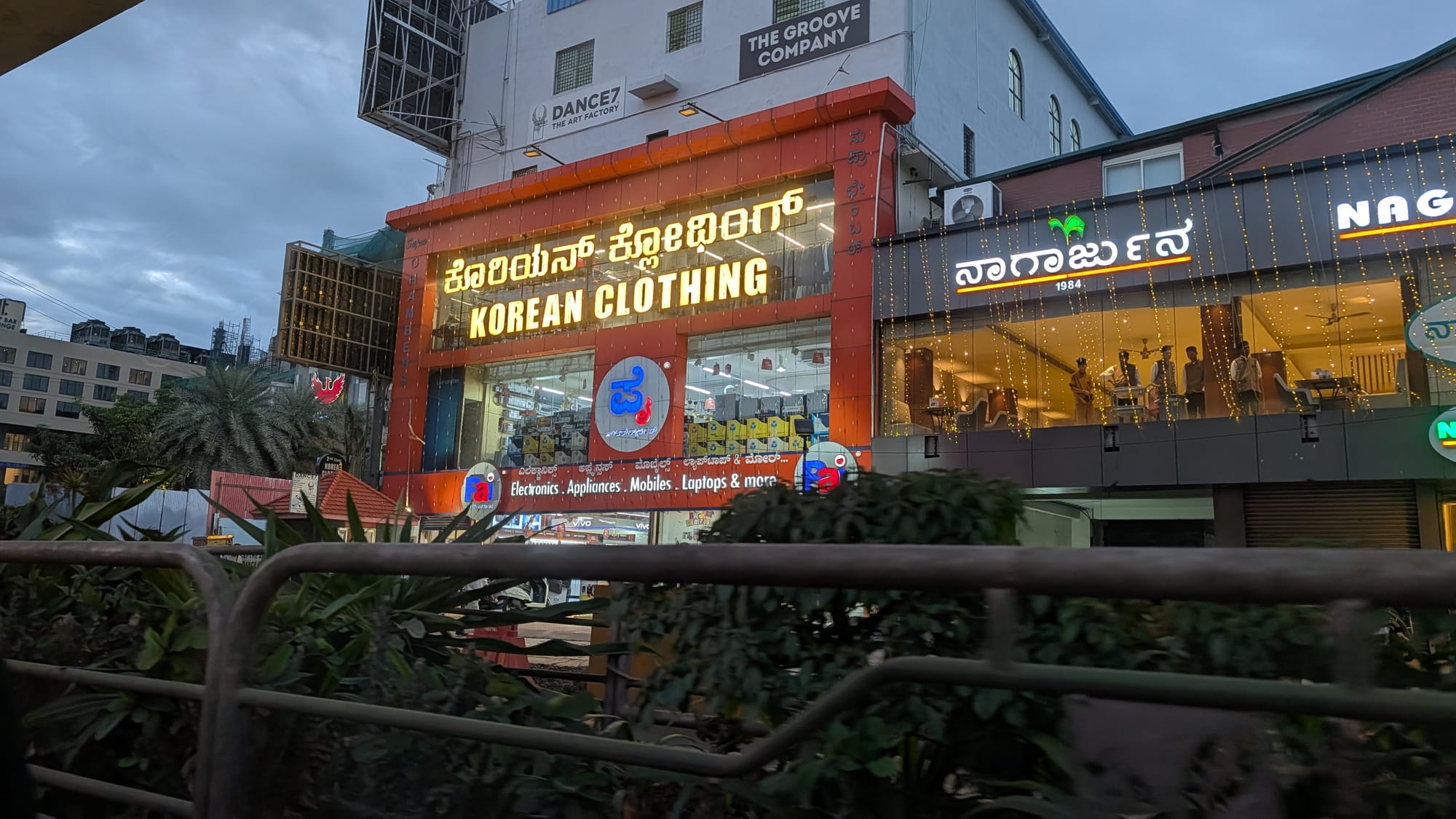
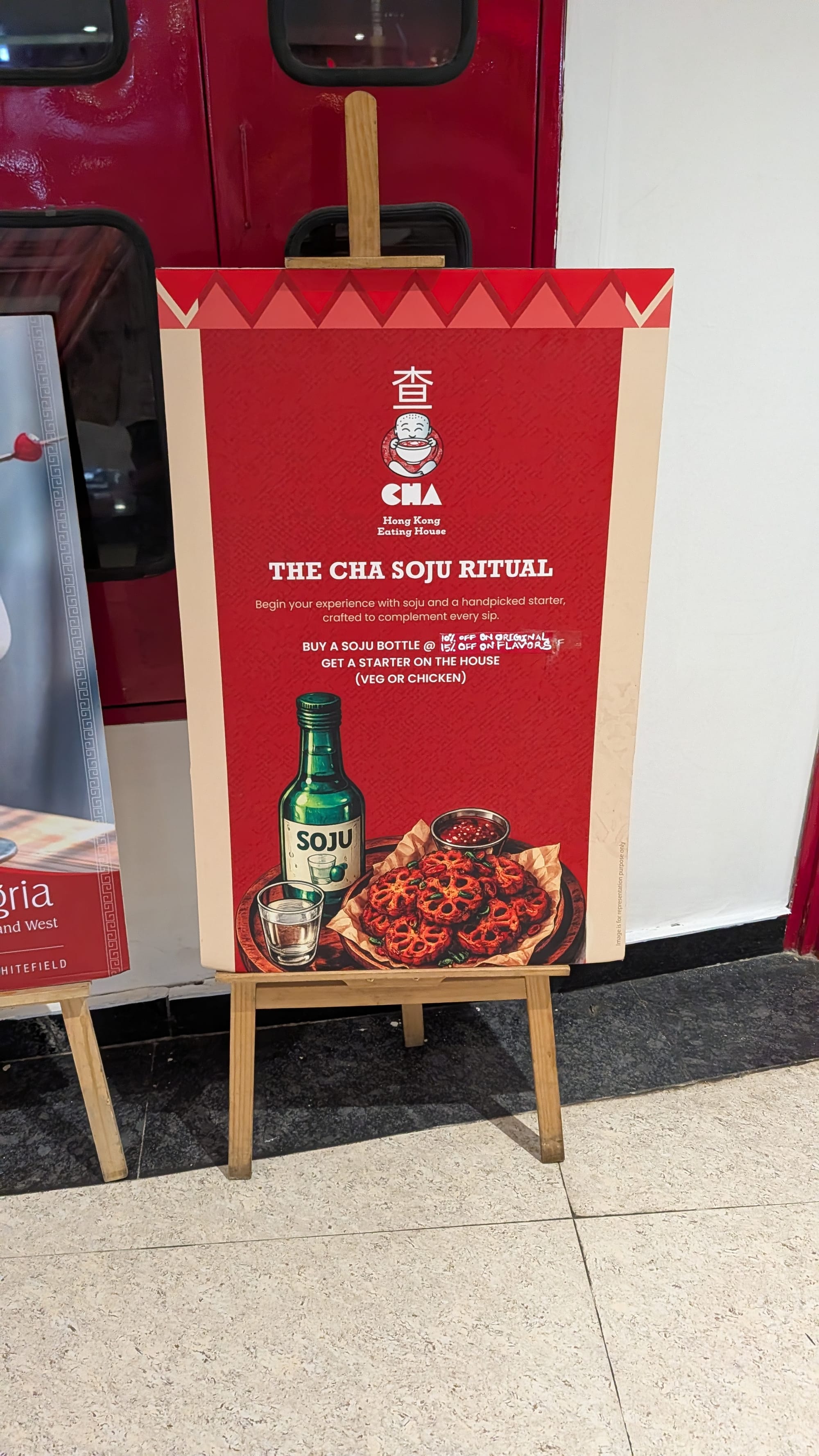
K-fashion and K-food
Governments will take their time in signing treaties and pacts. Japanese businesses will hum and haw as they assess India's risk profile as an investment destination. The recent spat with China and the volatility of Indonesia don't leave too many options on the table on finding future buyers for their products. What's happening now is Asia finding herself through culture. "Asia" was always a convenient colonial demarcation. What we are now witnessing is India exploring its Asian-ness on its own terms.
Love of lassi & labor
In Japan, I see the mirror image. South Asia - primarily Nepal - already powers a lot of kitchens in Japan. Back of kitchen staffing is notoriously hard to find, and thousands of restaurants operate on the backs of South Asia. This summer, along with the seasonal peach parfait, the “it” dessert drink across cafes in Tokyo is the mango lassi.
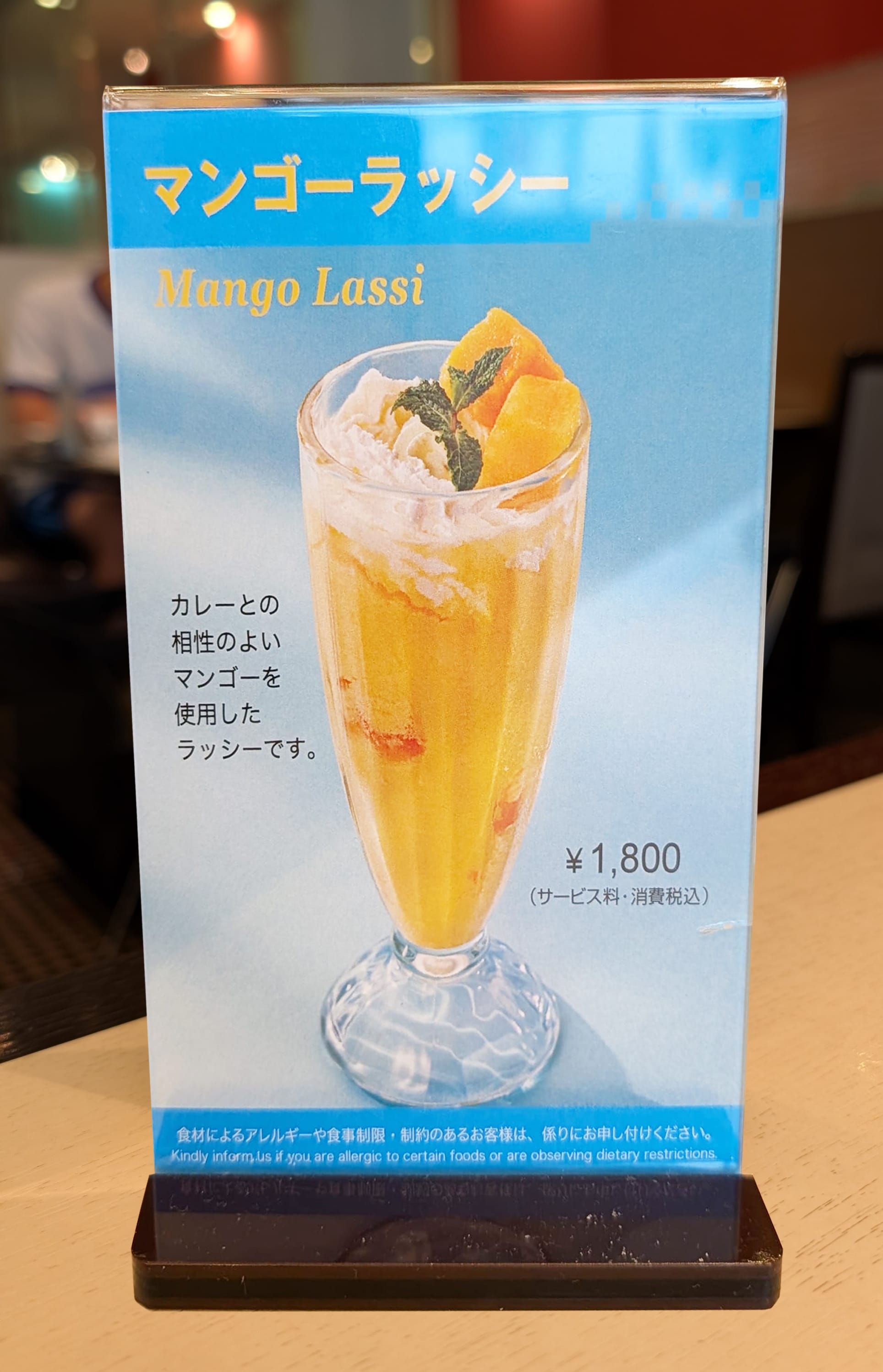
As the world’s most advanced aging society, Japan finds care work one of its most important need to fill. And Indians are heeding the call. Northeast of India has an abundance of talent, and is opening up the newest corridor between the two nations. There are Japanese schools cropping up across the region and a special visa that brings these young people to Japan. Northeast Indians look East or Southeast Asian because of centuries of migration, shared geography, and historical intermingling with populations from Tibet, China, and Myanmar (same reason the Inuit peoples physically resemble East Asians - they share ancient Siberian ancestors). Northeast Indians have long dealt with being profiled by exactly this observation inside India. Sometimes, they can feel othered in their own nation. It's no surprise they'd want to leave for a different one entirely. They’re fluent in English, and are eager to jump into hospitality and care work instead of pursuing a crowded IT job market in the rest of the country.
The age of age
Care and culture are both deeply connected to demographics. Today, Japan needs young workers to care for its old, and India is gearing up to provide those workers. With Anime and Manga, despite getting older faster than any other nation, Japan continues to create incredible culture that is meant for the young. There are more of those young people in India than anywhere in the world. The culture Japan creates gets consumed in India because of its demographics.
But I also came away thinking how quickly things are about to flip. Parts of India are now entering upper-middle income status. People are living longer, families are getting smaller and couples are deciding that maybe a pet is a better idea than a kid. India’s fertility rate - in parts, definitely not in whole - is now veering towards where East Asia is today. Tamil Nadu’s fertility is 1.3, essentially what Japan’s fertility rate was in the year 2005. The India story has been about the demographic dividend, but that will change in prosperous South Indian states. Owners of sprawling farms in Kerala and proprietors of traditional craft stores in Kyoto have similar concerns about the lack of successors for their businesses.
India is watching the trailer for the movie Japan has already seen. South India will become old before it gets rich. It will need all the lessons Japan has to teach it.